

 Market Of Bliss
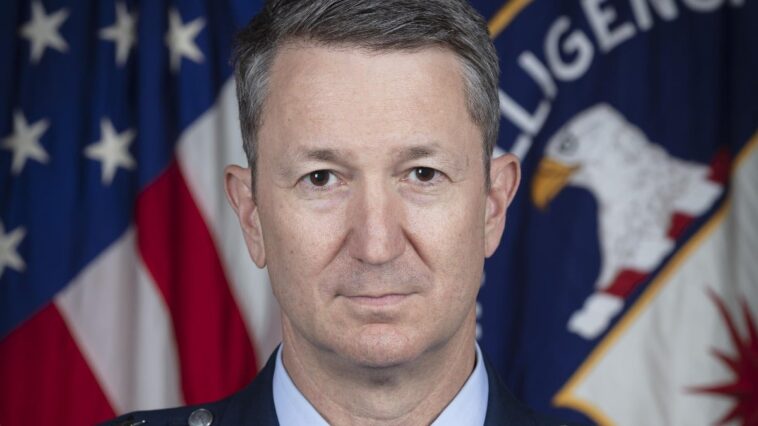
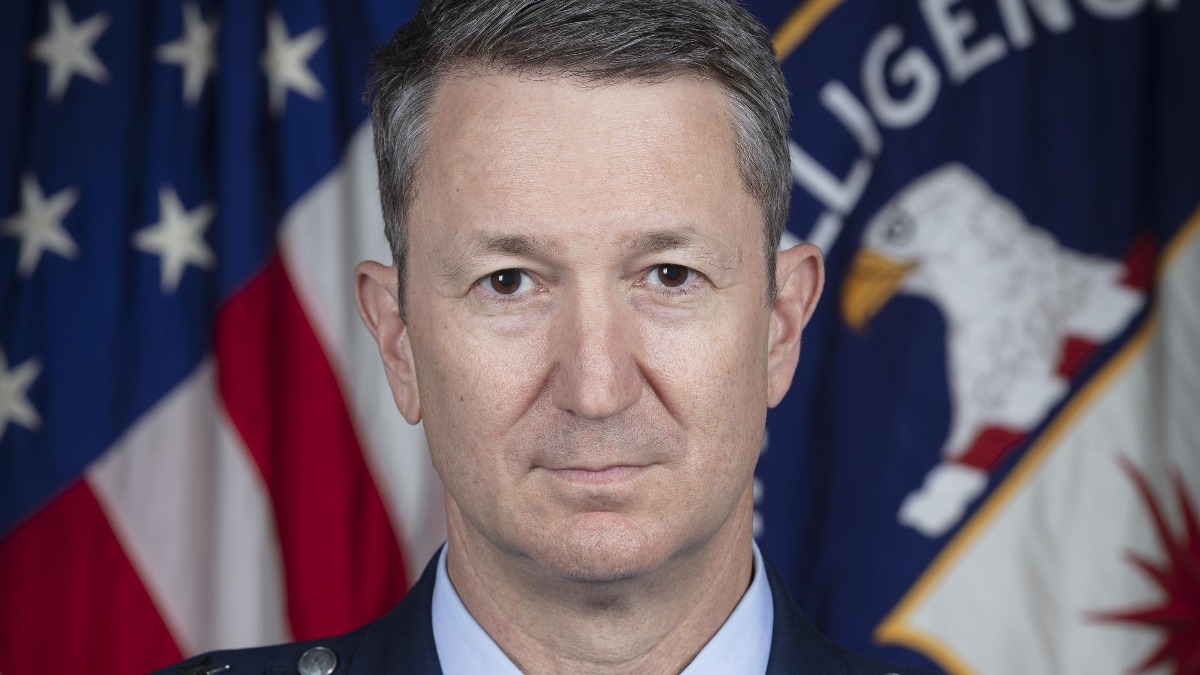
Image by U.S. Air Force, Public domain. Via Wikimedia Commons.

Just when you thought you’d heard it all.

|
At a recent Pentagon press conference, General Dan Caine, the chairman of the Joint Chiefs of Staff, made an unexpected movie reference when a reporter asked him about reports of Iran training “kamikaze dolphins” to attack U.S. warships. Secretary of War Pete Hegseth was also present at the briefing, where the two were giving updates on the ongoing conflict with Iran.

According to Brobible, when a reporter brought up the dolphin reports, General Caine couldn’t hide his smile and replied, “Like sharks with dolphins.” That appeared to be a reference to the iconic Austin Powers bit where Dr. Evil famously demands sharks equipped with laser beams – only to be told they’re unavailable and offered ill-tempered mutant sea bass instead. He eventually got his wish in Goldmember.
Hegseth also joined in on the lighthearted exchange, saying, “I can’t confirm or deny whether we have kamikaze dolphins, but I can confirm they don’t.” The question comes on the heels of a Wall Street Journal report that Iran may be weighing exactly that option against the U.S. blockade in the Strait of Hormuz.
Training military dolphins is harder than it looks, and Iran may not have the know-how to pull it off
This is not the first time dolphins have played a role in military planning. According to CNBC, the U.S. Navy’s Marine Mammal Program has been training bottlenose dolphins and California sea lions since 1959 to detect underwater mines and other threats. These animals have proven to be very effective at this, as their natural biosonar abilities often work better than electronic sonar systems.
The bigger question surrounding Iran’s reported dolphin program is not just whether they have the animals, but whether they have the skills to work with them effectively. “It’s a challenge for humans to learn how to work best with dolphin capabilities,” said Scott Savitz, a senior engineer at the Rand Corporation. This kind of expertise takes years to develop, and it is not clear that Iran has it.
It is worth noting that the Soviet Navy trained dolphins for military defense during the Cold War. After that program ended, the Russian military reportedly brought it back after taking control of Ukraine’s military dolphins in 2014. So the idea of state-run dolphin programs is not new, even if it sounds unusual. Meanwhile, a much larger Iran deal has recently come to light, one that asks the U.S. to give up key leverage before the core issues are even discussed.

Whether Iran has built that level of skill and experience with marine animals remains unknown. The history of such programs shows that simply having dolphins is not enough; the real challenge lies in building a working relationship between the animals and their handlers over a long period of time.
The reports have also raised concerns about how these animals are treated. The U.S. Navy’s Marine Mammal Program is generally regarded as treating its dolphins well, but that standard does not apply to every military program in the world.
The American Society for the Prevention of Cruelty to Animals has stated that “military animals should be humanely trained and responsibly maintained, and commitment to the animals’ well-being must extend beyond the period of military service.”
Animal welfare groups have long argued that using dolphins in military operations puts these intelligent animals at serious risk, especially in active conflict zones. If Iran is indeed using dolphins near the Strait of Hormuz, where military activity is high, the safety of those animals would be a serious concern with no easy answers.
The broader tensions in the region are also tied to how U.S. oil policy decisions are affecting global supply, adding another layer to an already complicated situation. While the ceasefire between the U.S. and Iran currently holds, the overall situation remains unstable.
The dolphin reports are just one of many unusual developments to come out of the conflict so far, and they have drawn attention both for their strangeness and for the real military questions they raise about underwater defense capabilities in the region.



Published: May 6, 2026 05:02 pm